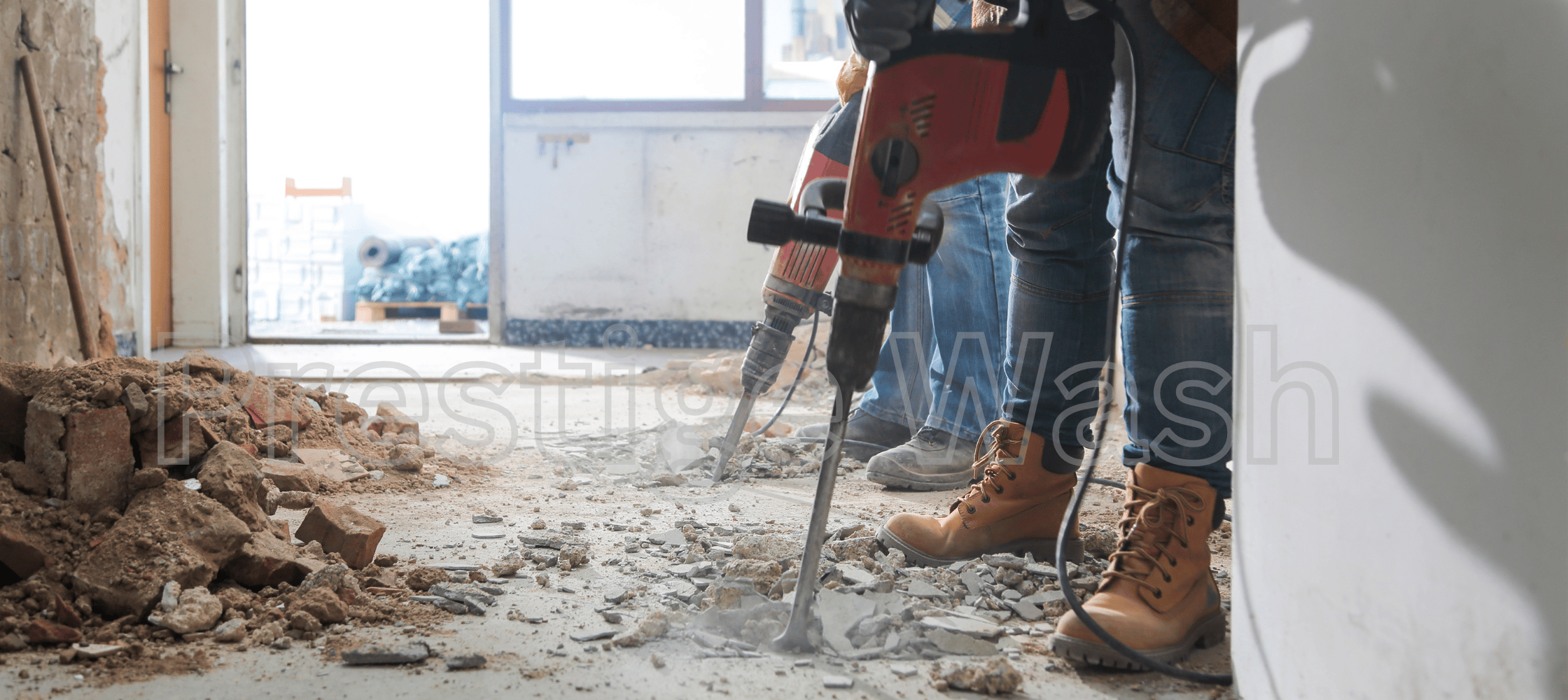
Transforming your estate with a bespoke architectural renovation is an exhilarating milestone. However, once the contractors hand over the keys, many homeowners face an unexpected, delicate challenge: the state of their custom drapery.
Attempting to DIY the cleaning of your luxury curtains after a major home renovation is a costly misstep. While it is tempting to clear this off your moving-in checklist independently, post-construction residue is entirely different from standard household dust.
Here is exactly why handling this yourself risks compromising your bespoke interior investment.
1. Post-Construction Dust is Chemically Aggressive
Unlike organic household dust, post-renovation residue is a abrasive blend of pulverized drywall, gypsum, silica concrete powder, sawdust, and microscopic chemical polymers from fresh paint or industrial adhesives.
- The DIY Risk: When fine drywall dust or concrete particles interact with water (via a domestic washing machine) or intense heat (via standard steam cleaners), it triggers a chemical reaction. The fine powder transforms into a paste-like cement that becomes deeply embedded within the tight weave of premium fabrics, hardening as it cures.
- The Consequences: Your bespoke drapery permanently loses its fluid, graceful movement, leaving the fabric stiff, chalky, and marred by indelible streaks.
2. Mass Particulate Weight Risks Structural Damage
During a structural or interior remodel, heavy fabric drapes act like massive air filters, trapping pounds of dense, airborne particulate matter within their layers.
- The DIY Risk: Dismantling expansive, double-volume, or heavy interlined drapery- common in modern Klang Valley villas and bungalows requires specialized commercial rigging equipment. Attempting to unhook these massive panels without professional support risks sudden weight shifts that can warp high-end tracks, snap premium hardware, or tear anchors directly out of the drywall.
- The Consequences: An expensive repair bill to patch and repaint your freshly finished walls and realign your custom track systems.
3. Water Exposure Triggers Catastrophic Fabric Shrinkage
The world’s finest drapery materials such as pure Italian linen, raw silk blends, premium velvet, and custom brocade are strictly engineered for professional dry-cleaning or specialized dry-extraction only.
- The DIY Risk: Introducing these textiles to a standard domestic washing machine or a generic wet-vacuum will cause the fibers to warp and shrink unevenly. Furthermore, specialized technical linings (such as thermal or blackout backings) react to moisture and shrink at entirely different rates than the face fabric itself.
- The Consequences: Your elegant floor-to-ceiling drapes will suffer from severe “hem puckering” (where the bottom edges curl and wrinkle unevenly), shortening the fabric by inches so they no longer pool beautifully on your flooring.
4. Domestic Steamers Permanently “Lock In” Architectural Grime
A common, instinctive DIY approach is to leave the curtains hanging and treat them with a handheld garment steamer.
- The DIY Risk: High-temperature steam liquefies the airborne chemical oils originating from fresh paint fumes, premium wood finishes, and volatile organic compounds (VOCs) lingering in the post-renovation air. Instead of lifting the debris, the thermal energy effectively “bakes” the yellowing construction grime and chemical odors directly into the core textile fibers.
- The Consequences: The staining becomes chemically bonded to the fabric, making it virtually impossible for professional restorers to safely extract down the line.
5. The Complex Logistical Challenge of Re-Pleating and Dressing
Even if you manage to launder the fabric without structural damage, managing the sheer volume of grand-scale landed property drapes is an exhausting, technical ordeal.
- The DIY Risk: Architectural drapery relies on precise, uniform pleating (such as French pleats, tailored goblet folds, or seamless ripple folds) to hang with structured elegance. Attempting to press out massive panels of heavy fabric with a domestic iron is nearly impossible and carries a severe risk of scorching delicate, high-end materials.
- The Consequences: Your once-sleek, tailored window treatments lose their luxury posture, appearing wrinkled, asymmetrical, and poorly dressed.
The Professional Alternative
By bypassing the DIY route, you preserve the structural integrity of your automated tracks, protect your architectural investment, and ensure your custom fabrics look as flawless as your newly transformed home.
Considering a Flawless Post-Renovation Handover? Don’t let construction dust compromise your bespoke interiors. Contact our specialized Klang Valley curtain restoration team today to schedule a premium, hassle-free deep cleaning service.